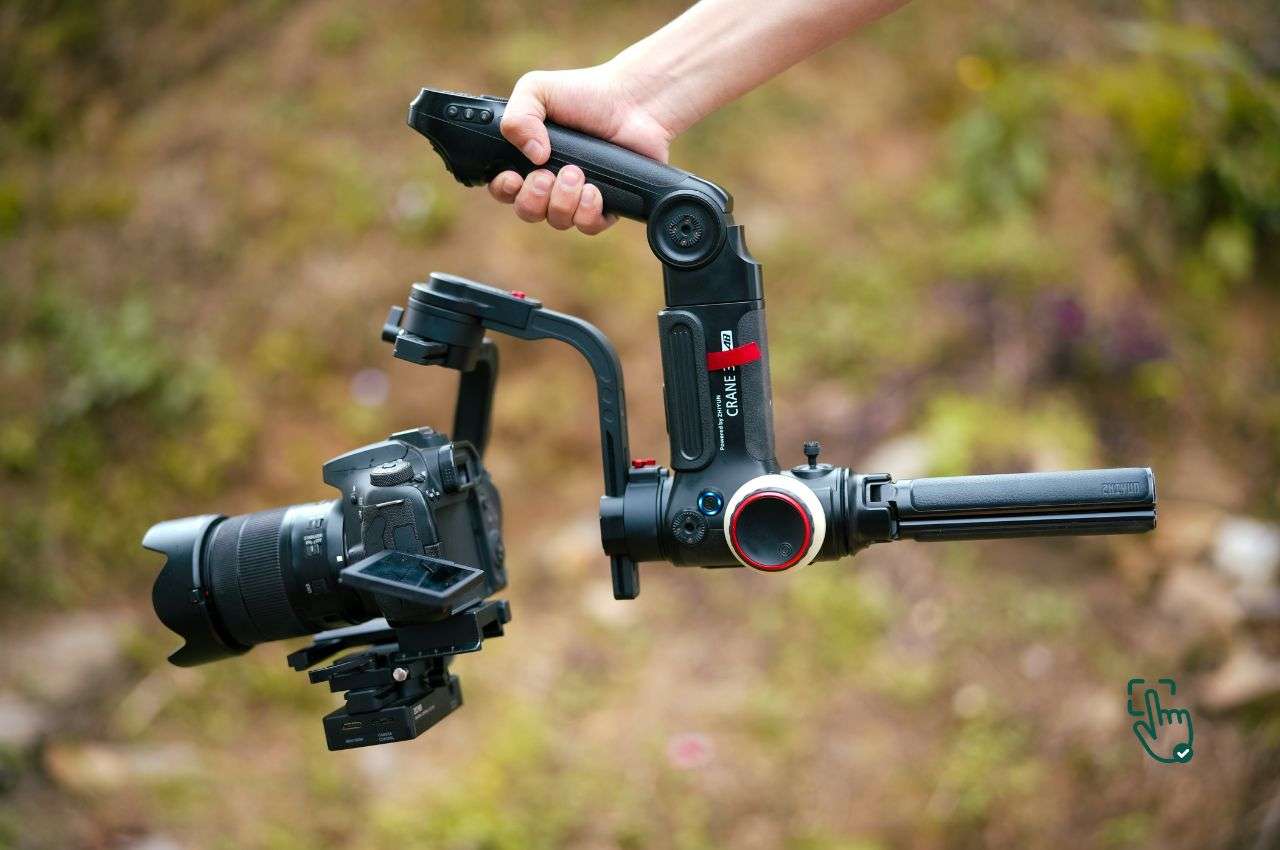
When it comes to capturing smooth and professional-looking videos, a camera gimbal is a game-changer. Whether you’re a filmmaker, vlogger, or even just capturing moments with your phone, the right gimbal can significantly improve the stability of your footage. Let’s dive into the best camera gimbals in 2025, explore their features, and see which models stand out for various devices, from professional cameras to smartphones.
What is a Camera Gimbal?
A camera gimbal is a device used to stabilize cameras and smartphones, ensuring smooth and steady video footage, even during movement. It uses motors and sensors to counteract any shakiness and allows you to capture professional-grade content without having to worry about your hand movements.
The 2025 Camera Gimbal Landscape: What’s Powering the Next Wave of Content Creation
In the ever-evolving world of digital content creation, camera gimbals are no longer exclusive to filmmakers and tech-savvy vloggers. What was once a high-budget filmmaker’s tool has rapidly entered the toolkit of mobile journalists, influencers, and hobbyists. With platforms like TikTok, Instagram Reels, and YouTube Shorts emphasizing smooth, cinematic footage, gimbals are becoming must-have gear—even for smartphone users. Let’s unpack what’s happening in this space as of 2025.
Tech Evolution: From Smartphones to Cinema Cameras
One of the biggest shifts in the gimbal market is the widening gap between professional and everyday use. On one side, devices like the DJI RS 3 Pro cater to high-end cinema production. It features high payload capacity, making it suitable for bulky DSLR or cinema-grade rigs. With advanced stabilization algorithms and compatibility with LiDAR focusing systems, it’s clearly designed for users who demand precise, buttery-smooth shots in complex scenarios. However, these features come with added weight, complexity, and cost—factors that might be impractical for on-the-go creators.
On the flip side, compact gimbals like the DJI OM 5 are gaining popularity among social media content creators. Its smartphone-focused design, extendable selfie stick functionality, and integration with apps like DJI Mimo simplify shooting on the fly. The OM 5 speaks directly to the growing “solo content creator” movement, where portability, ease-of-use, and integration with mobile apps outweigh the need for high-payload capacity.
Hybrid Solutions for the Versatile Creator
Sitting somewhere between the pro-level and ultra-compact gimbals is the Zhiyun Weebill 3. With its unique design that balances ergonomics and powerful stabilization, it’s become a favorite among wedding videographers, indie filmmakers, and YouTubers. It supports a wide range of camera bodies, and with a built-in microphone and light system, it leans into the “all-in-one” device trend. However, its learning curve might not suit creators who want to start filming right out of the box.
As more creators invest in hybrid mirrorless cameras for both photo and video, the demand for gimbals that strike a balance between weight and control has grown. Brands like Zhiyun are meeting this need with gimbals that offer robust stabilization but don’t weigh down the user during long shoots.
Smart Features and AI Integration
Another noticeable trend in 2025 is the shift toward smarter gimbal systems. Gimbals are no longer just about keeping your footage stable—they’re about helping you tell a story. Newer models now come equipped with gesture controls, automatic subject tracking, and voice command compatibility. These features allow solo shooters to remain in the frame while staying hands-free. DJI, in particular, has leaned heavily into AI-enhanced tracking and composition with its latest mobile gimbals.
Expect to see further integration with smartphone apps that offer real-time editing, social sharing, and AI-assisted scene recognition. These features not only simplify the post-production process but also make it easier for beginner creators to produce professional-looking content without deep technical knowledge.
Industry Applications and Use Cases
The uses for camera gimbals continue to expand across industries. In journalism, reporters use lightweight gimbals with smartphones for live reporting. In real estate, agents and marketers rely on gimbals to shoot smooth walkthrough videos for listings. Fitness influencers now film workouts without shaky cam distractions, and travel vloggers document adventures with cinematic flair.
As camera stabilization becomes more accessible, it’s clear that content creators—whether amateur or professional—are pushing for gear that’s lightweight, functional, and packed with smart features.
Looking Ahead
In 2025, camera gimbals are no longer niche gadgets. They’re central tools in the creator economy, with manufacturers competing to pack more functionality into increasingly compact packages. Whether it’s the raw power of the DJI RS 3 Pro, the beginner-friendly mobility of the DJI OM 5, or the hybrid flexibility of the Zhiyun Weebill 3, today’s gimbals serve a wide range of creative demands.
And as smartphone cameras continue to rival DSLRs in video quality, expect the next wave of gimbals to blend AI, cloud editing, and remote control—offering more freedom than ever to create, wherever you are.
Top Camera Gimbals of 2025
Disclosure: Pick Out Right contains affiliate links. If you purchase through these links, we may earn a commission at no extra cost to you. This helps support our work. Thank you!
1. DJI RS 3 Pro Gimbal – The Powerhouse for Professional Filmmakers
If you’re in the realm of professional filmmaking or high-end content creation, the DJI RS 3 Pro is likely on your radar. This gimbal isn’t just a tool; it’s an extension of your creative vision. Designed to handle heavier camera setups, it offers 3-axis stabilization that ensures your footage remains smooth, even during dynamic shoots.
Setting up the RS 3 Pro is a breeze. Its automated axis locks and fine-tuning knob make balancing your camera straightforward, saving you precious time on set. The gimbal’s carbon fiber construction not only provides durability but also keeps the weight manageable, which is crucial during long shooting sessions.
One standout feature is its LiDAR focusing system, which offers precise autofocus capabilities, especially beneficial when working with manual lenses. This technology ensures that your subject remains sharp, enhancing the overall production quality.
While the RS 3 Pro comes with a higher price tag, its features justify the investment for professionals. It’s compatible with a range of accessories, such as the DJI Transmission System, allowing for real-time video monitoring, and the Ronin Image Transmitter, which facilitates remote control and live feeds.
Pairing the RS 3 Pro with high-capacity V-mount batteries can extend your shooting time, and integrating it with the DJI Focus Motor can enhance your focus control, providing a seamless shooting experience.
2.DJI OM 5 – The Compact Companion for Smartphone Creators
For those who primarily shoot with smartphones, the DJI OM 5 is a game-changer. It’s designed with portability in mind, making it perfect for vloggers, travelers, and anyone who wants to capture steady footage on the go.
Weighing just around 300 grams, the OM 5 is incredibly lightweight. Its foldable design means it can easily slip into a bag or even a large pocket. Despite its compact size, it doesn’t skimp on features. The built-in extension rod allows for versatile shooting angles, and the 3-axis stabilization ensures smooth footage.
The gimbal integrates seamlessly with the DJI Mimo app, offering features like ActiveTrack 4.0, which keeps your subject in frame, and ShotGuides, providing creative templates for various shooting scenarios. These features are especially beneficial for those new to content creation, offering guidance and enhancing the quality of the output.
However, it’s worth noting that while the OM 5 performs exceptionally with iPhones, some Android users might experience limited functionality due to compatibility issues. Therefore, it’s advisable to check the compatibility list before purchasing.
To maximize the OM 5’s potential, consider using it with the latest iPhone models for optimal performance. Accessories like external microphones and portable LED lights can further enhance your mobile filmmaking setup.
3. Zhiyun Weebill 3 – The Versatile Gimbal for DSLR and Mirrorless Cameras
The Zhiyun Weebill 3 strikes a balance between portability and performance, making it an excellent choice for DSLR and mirrorless camera users. Its compact design doesn’t compromise on stability, providing smooth footage even with heavier camera setups.
One of the Weebill 3’s standout features is its ergonomic sling grip, which reduces fatigue during prolonged shoots. The gimbal also boasts a built-in microphone and fill light, catering to solo creators who need an all-in-one solution.
Battery life is impressive, offering up to 21 hours on a single charge, ensuring you can shoot throughout the day without interruptions. The OLED display provides real-time information, allowing for quick adjustments on the fly.
While the Weebill 3 is user-friendly, newcomers might face a slight learning curve when navigating its features. However, once familiar, it becomes an indispensable tool in your filmmaking arsenal.
Enhancing the Weebill 3’s capabilities can be achieved by integrating it with wireless follow focus systems and camera control cables, allowing for more precise control over your shots.
Key Features to Look for in a Camera Gimbal
- Stabilization: The best camera gimbals, like the DJI RS 3 Pro, offer 3-axis stabilization for smooth, shake-free footage.
- Portability: If you’re always on the go, compact gimbals like the DJI OM 5 are great for travel and mobile filming.
- Payload Capacity: Ensure your gimbal can support your camera’s weight. DSLR and mirrorless camera users will benefit from the Zhiyun Weebill 3.
- Battery Life: Long filming sessions require a gimbal with extended battery life. The Zhiyun Weebill 3 shines in this aspect.
Conclusion
Which Gimbal is Right for You?
Choosing the best camera gimbal depends on your needs. If you’re a professional filmmaker, the DJI RS 3 Pro will give you unmatched stabilization and quality. If you’re a smartphone vlogger or YouTuber, the DJI OM 5 is compact, portable, and easy to use. For DSLR and mirrorless camera users, the Zhiyun Weebill 3 provides a perfect balance between power and portability.