A Smarter Home Office: What to Prioritise First
We may earn a commission when you buy through links on this site. This never affects our recommendations.
Quick answer
Fix your chair and screen height before buying anything else. Most home-office discomfort comes from posture and light, not from missing gadgets.
Key takeaways
- Seating and screen height give the biggest comfort return.
- Light quality reduces fatigue more than another monitor.
- Desk space is a feature — protect it.
- Cable management is worth an afternoon.
Work backwards from your day
Long calls, deep focus work and creative tasks each stress different parts of a setup. Improve for the task you do most.
Then improve the surface
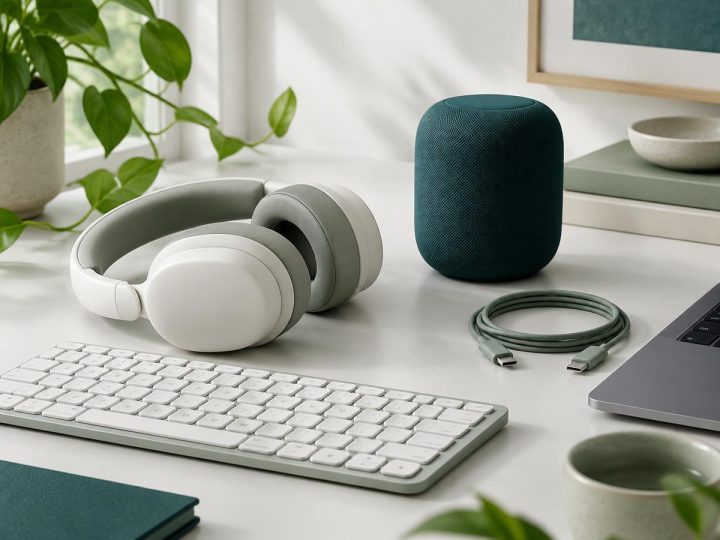
A clear desk gives you room to think. Compact peripherals often do more for a small desk than a bigger desk would.
Our recommendations
SMART BUY — Compact home office keyboard
Best for: Small desks
A compact example that keeps the work surface clear without an unfamiliar layout.
What works: Small footprint, clean layout, wireless-ready.
Worth knowing: Compact layouts take a week of adjustment.
How we chose
We start from the job the product has to do, research widely across documentation and long-term owner feedback, and shortlist only options we would recommend to a friend. Replace this section with your own process notes.
What to watch out for
- Desks that are deeper than your room allows.
- Chairs sold on appearance rather than adjustment range.
Who this is for
Anyone working from home several days a week in a shared or small room.
Who should skip it
If you work from a laptop in changing locations, spend on a stand and a bag instead.
Frequently asked questions
What should I buy first?
Whatever hurts. Usually that is seating, then screen height.
Final verdict
Spend on comfort and light first. Accessories are a refinement, not a fix.