Compact Keyboards: The Tradeoffs That Matter
We may earn a commission when you buy through links on this site. This never affects our recommendations.
Quick answer
Compact keyboards make a desk feel calmer, but every removed key moves a shortcut. If your work depends on numbers or arrow keys, choose carefully.
Key takeaways
- Space savings are real and immediately noticeable.
- Layout relearning takes about a week.
- Function-layer access varies a lot between models.
What the smaller footprint gives you
Room for a mouse, a notebook, or simply less visual noise on the desk.
Where it costs you
Number entry, arrow navigation and any shortcut that now needs two hands.
Our recommendations
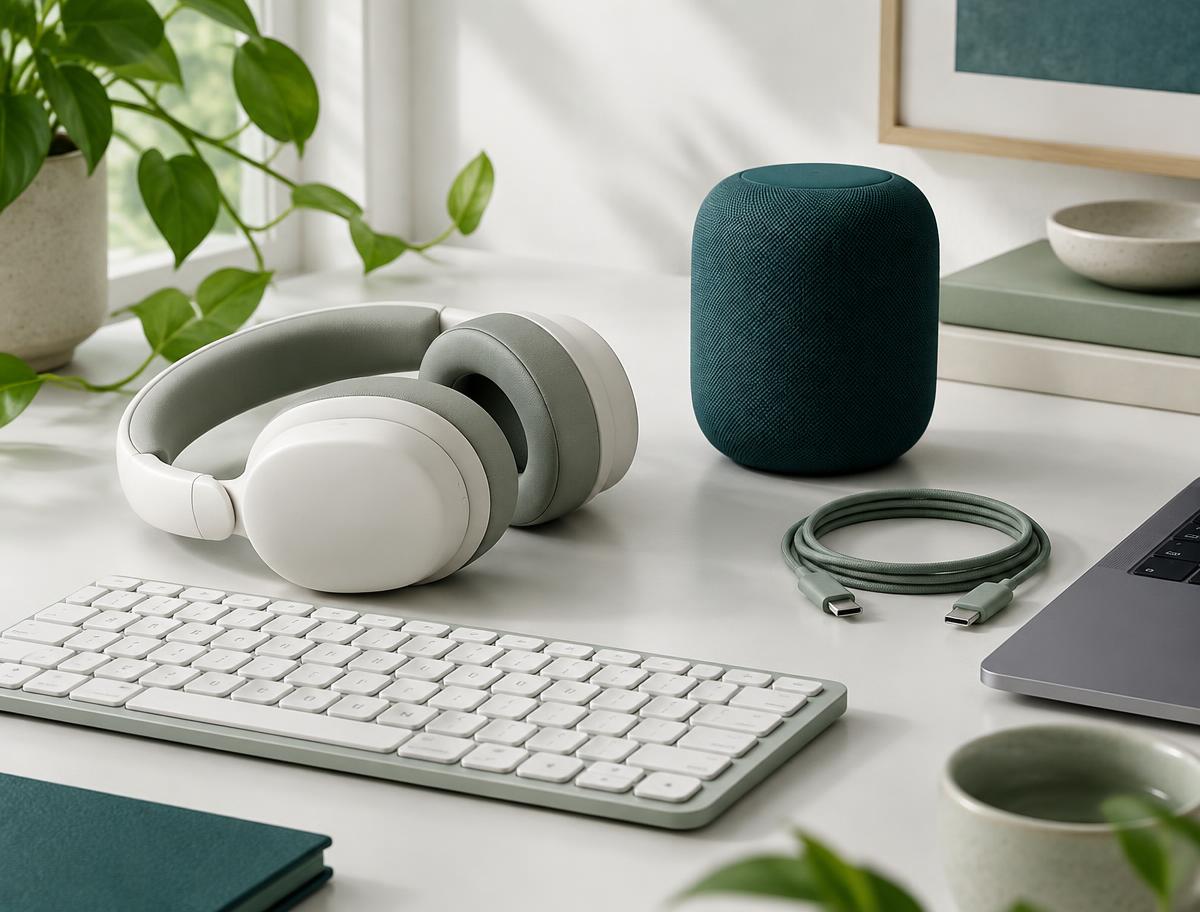
ALTERNATIVE — Compact home office keyboard
Best for: Space-conscious desks
Worth considering when desk space matters more than a full key layout.
What works: Small footprint, clean layout.
Worth knowing: Compact layouts need adjustment.
How we chose
We start from the job the product has to do, research widely across documentation and long-term owner feedback, and shortlist only options we would recommend to a friend. Replace this section with your own process notes.
What to watch out for
- Layouts that move a key you use constantly.
- Non-standard keycap sizes if you plan to customise.
Who this is for
Writers, developers and anyone short on desk depth.
Who should skip it
Skip it if you enter numbers all day.
Frequently asked questions
Will I type slower?
Briefly. Most people return to normal speed within a week or two.
Final verdict
A good tradeoff for a calmer desk, provided your daily shortcuts survive the layout.